
Power outages affect many South African homes. A well-designed solar installation residential system moves you from short-term coping to long-term independence, lower bills and fewer disruptions.
disruptions. What is solar installation residential
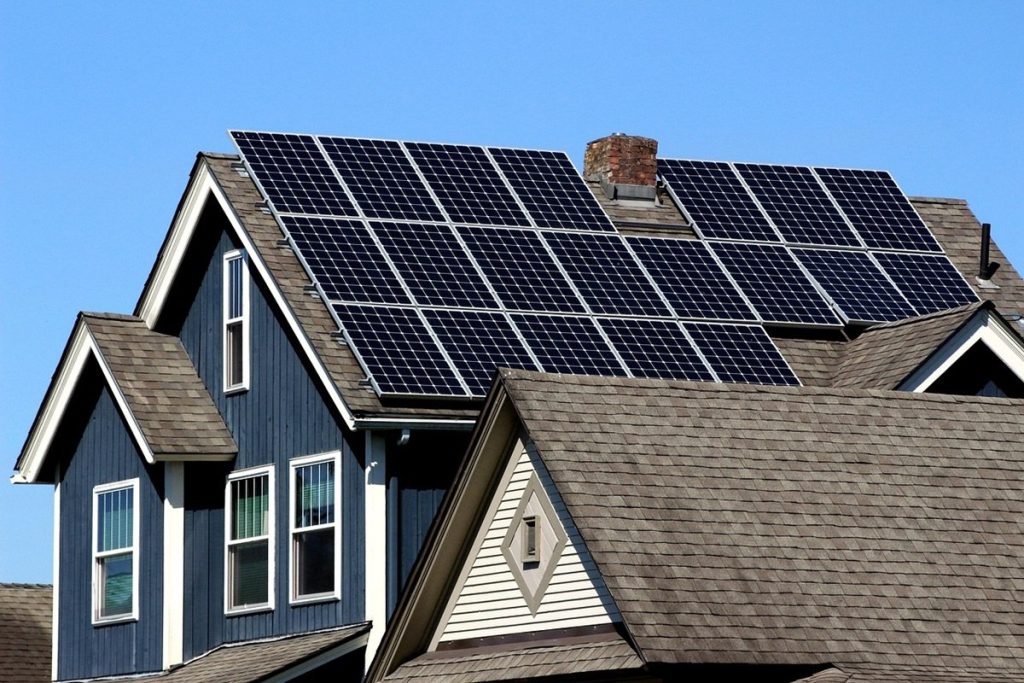
A solar installation residential system is a rooftop PV array, inverter and battery backup sized for a single home. Systems range from basic rooftop panels that cut daytime bills to full hybrid inverter and lithium batteries packages that power lights, appliances and geysers during load shedding. Smart monitoring ties everything together so you see generation, consumption and battery state on your phone.
Why you need a professional for solar installation residential
Solar is electrical work, roofs and municipal rules are involved, and mistakes can be costly. A qualified team will size the system to your actual loads, pick the correct hybrid inverter and lithium batteries, secure COCT and other municipal approvals when needed, and install neat, compliant wiring that protects your home. Professional commissioning also sets proper battery charging cycles and smart monitoring, this preserves warranty and performance.
What you get with a PowerPlus home solar installation residential package
Each PowerPlus solar installation residential package includes a site-specific design and component selection, from rooftop panels and hybrid inverter integration to lithium batteries for backup power. We manage COCT and municipal approvals, fit smart monitoring, and hand over full warranty and maintenance documentation so your system performs and saves as promised.
- System design and load analysis
- Hybrid inverter and lithium battery selection
- Rooftop panel supply and installation
- Smart monitoring setup
- COCT/municipal application support
- Testing and commissioning
- Warranty handover
- Scheduled maintenance visits
How the solar installation residential process works
We follow a clear step-by-step workflow, so every solar installation residential project runs smoothly. We assess roof and load, specify rooftop panels, hybrid inverter and lithium batteries, manage COCT and municipal approvals, fit smart monitoring, then commission the system and hand over warranty and maintenance documentation.
- Site survey and load assessment: a technician reviews your meter, roof orientation, shading and recent bills, then recommends a system size.
- Proposal and options: you receive a clear quote with PPA vs capex options where relevant, expected savings, chosen hybrid inverter and battery spec, and warranty terms.
- Municipal approvals and logistics: PowerPlus prepares paperwork for COCT or local municipal connection approvals when required.
- Installation: rooftop panels are mounted, inverters and batteries installed in a safe location, circuits tied into your DB, and surge and protection devices fitted.
- Commissioning and handover: the system is tested, smart monitoring is activated, you get a brief on operations and servicing, and a Certificate of Compliance issued where needed.
Get a home solar quote
Ready to move beyond load shedding? Get a home solar quote from PowerPlus for a tailored plan covering rooftop panels, hybrid inverter selection, lithium batteries and smart monitoring, plus a clear maintenance and warranty package. Start with a site survey for a fast, accurate recommendation whether you are in Cape Town or Johannesburg.
FAQs
What does a residential solar installation cost?
Costs vary with size, inverter type and batteries. A basic rooftop panels system to cut daytime bills will be cheaper than a full hybrid inverter plus lithium batteries backup system designed to run essential loads during load shedding.
How long does installation take?
Typical residential installs take 1–3 days on site, after approvals are in place. Larger battery banks or complex DB upgrades can add time.
Do I need municipal approval, and will PowerPlus help?
If the system exports to the grid or requires an altered connection, municipal approvals and COCT signoffs may be necessary. PowerPlus prepares applications and issues Certificates of Compliance where required.
How long do lithium batteries and inverters last?
Modern lithium batteries commonly carry 5 to 10 year warranties depending on cycle ratings, and hybrid inverters usually carry 5 to 10 year warranties, sometimes extendable. Proper commissioning and maintenance extend real life and protect warranties.
Will my solar system work during load shedding?
Yes, a correctly specified hybrid inverter with battery backup will supply selected circuits during load shedding, providing backup power for lights, Wi-Fi, fridge and other critical loads.