
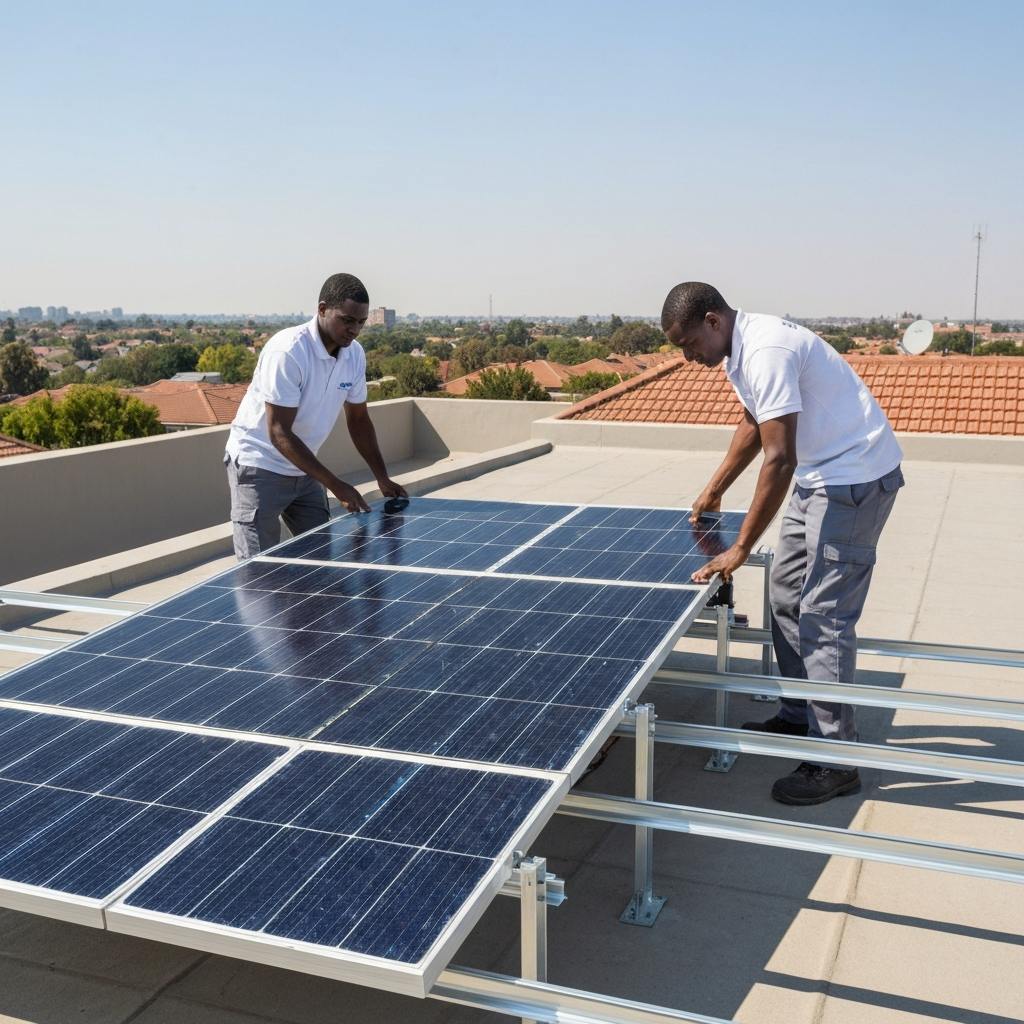
The cost of a solar system in Johannesburg ranges from basic backup entry-points to extensive off-grid investments depending on capacity. Evaluating the total lifecycle value of lithium batteries and tier-1 panels proves far more accurate than just looking at the initial quote.
Lifecycle Returns vs Immediate Capital Expenditure
Evaluating a solar quote requires looking beyond the initial sticker price to account for equipment degradation. While lead-acid batteries have a lower entry cost, they offer less than a quarter of the discharge cycles provided by lithium iron phosphate units, often requiring three replacements before a premium battery even begins to wear.
The long-term value of your investment is defined by these two paths:
- The Budget Approach: Uses low-cost lead-acid batteries and inferior panels. This typically leads to frequent battery replacements and rapid power loss within five years due to panel delamination.
- Industrial-Grade Approach: Utilizes lithium iron phosphate and Tier-1 panels. This setup ensures a 10+ year battery lifespan and maintains 80% power yield even after two decades in the South African sun.
Choosing robust hardware ensures the system pays for itself through sustained performance and long-term reliability.
Evaluating the Levelized Cost of Energy
To understand the true value of an installation, one must calculate the cost per kilowatt-hour generated over the entire lifespan of the system. Premium residential solar setups significantly reduce this metric by providing reliable, long-term energy production. By generating electricity at a fixed upfront cost, you effectively shield your property from the double-digit municipal tariff hikes projected over the coming decade. This transition from variable monthly expenses to a stable, self-generated power supply provides long-term financial security and a much higher return on investment.
Breaking Down the Real Cost of Solar Components
Your final invoice consists of more than just panels and a battery; it covers an entire ecosystem of protective devices designed to keep the property safe. High-quality components add significantly to the baseline material costs but are essential for a compliant installation:
- High-current DC cabling: Necessary to prevent severe voltage drops and hazardous insulation melting.
- Aluminium mounting rails: Durable, corrosion-resistant framing that ensures structural integrity on the roof.
- Certified rotational isolators: Critical safety switches that allow for secure electrical disconnection.
- Specialized surge protection: Devices specifically designed to protect sensitive inverters and batteries from electrical faults.
Labor is another factor where compromise is not an option. Professional engineers ensure optimal cable routing, strict torque specifications on all electrical terminals, and permanently waterproofed roof penetrations. We provide complete transparency on every line item so you know exactly what grade of equipment is securing your power supply.
Primary Cost Drivers in Solar Quotes
Understanding the quotation breakdown helps you identify where your budget is going. The main expenses include:
- Storage capacity; larger battery banks linearly increase the total project price.
- Inverter size; handling heavy simultaneous loads requires costly high-wattage components.
- Compliance and safety hardware; mandatory DC breakers and earth spikes ensure safe operation.
Secure Your Property with Power Plus Electrical
Do not risk your property by accepting the cheapest quote containing substandard hardware. You need honest pricing, robust components, and industrial-grade installation quality. Experience the peace of mind that comes with a system built to last. Contact us today for a detailed site inspection and transparent quote.
FAQs
How much does a 5kW solar system cost in Johannesburg?
Expect to pay between R80,000 and R120,000 for a fully compliant 5kW hybrid system. This price heavily depends on the tier of the solar panels and the total kilowatt-hour capacity of the lithium battery bank.
Is installing solar cheaper than paying Eskom electricity tariffs?
Yes. Over the lifespan of tier-1 solar panels, the cost of generating your own power is a fraction of the rapidly increasing Eskom municipal rates.
What is the best solar backup power solution for load shedding?
A pure hybrid system offers the highest return on investment. It manages your grid usage to lower your monthly bill while keeping a reserved battery capacity strictly for scheduled load shedding periods.