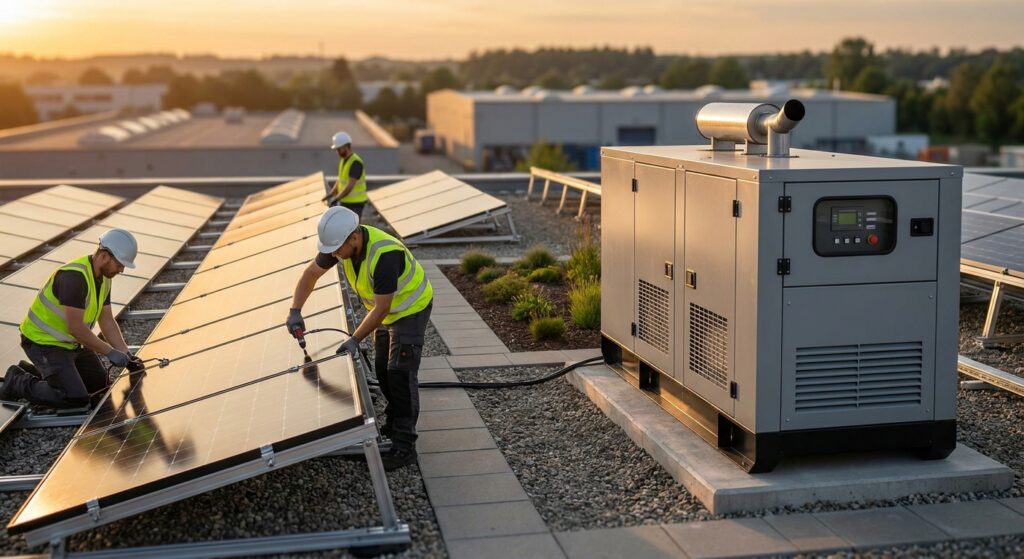
Choosing between a solar installation and a generator depends on your priorities. Solar panels provide silent, long-term energy with low running costs, while generators offer immediate, high-output power for short-term outages but require ongoing fuel and maintenance. The correct solution is determined by your home’s specific energy demands and budget.
Evaluating Your Primary Power Needs
Before investing, you must assess your home’s consumption profile. Consider which appliances are essential during load-shedding and for how long you typically need backup power. This diagnostic step prevents overspending on an oversized system or being left with an underpowered solution.
A proper assessment considers these key factors:
- What is your average daily electricity usage in kilowatt-hours (kWh)?
- Which essential appliances must remain on (e.g., geyser, refrigerator, security systems)?
- What is your tolerance for operational noise and regular maintenance tasks?
- Do you want to reduce your monthly utility bill or simply bridge load-shedding gaps?
The Case for a Standby Generator
A generator is an effective tool for immediate power restoration. It can handle high-draw appliances like stoves and geysers, making it a functional choice for homeowners who need a simple, on-demand backup for the duration of a power cut. However, this convenience comes with significant operational demands.
Fuel, Noise, and Maintenance
Generators require a constant supply of petrol or diesel, and the running costs fluctuate with fuel prices. They are also mechanically noisy, which can be disruptive, and require regular servicing of oil and filters to remain reliable. Improper ventilation also poses a carbon monoxide risk, which is a serious safety concern.
Key drawbacks of a generator system include:
- Consistent expenditure on fuel.
- Loud operational noise levels that may affect neighbours.
- Mandatory routine maintenance to prevent failure.
- Carbon monoxide emissions requiring safe, outdoor placement.
The Case for a Solar Power System
A solar power installation with battery storage is a long-term energy asset. It generates free electricity from the sun, operates silently, and can significantly reduce your reliance on the municipal grid. While the initial investment is higher, the long-term financial and lifestyle benefits are substantial.
System Sizing and Investment
A residential solar system consists of photovoltaic (PV) panels, an inverter to convert the power, and batteries to store energy for use during load-shedding or at night. The system is scalable and designed to meet your specific energy goals, from basic backup to complete grid independence. This solution also adds tangible value to your property.
Primary benefits of a solar installation are:
- Silent, emission-free power generation.
- Protection from rising electricity tariffs and fuel price volatility.
- Minimal maintenance requirements, typically just panel cleaning.
- Increased property value and energy independence.
Book a Call-Out with Power Plus Electrical
As the Senior Master Technician at Power Plus Electrical, I ensure our teams conduct a thorough energy audit before recommending a solution. We specialise in installing both generator and solar systems that are fully compliant with all South African residential standards, including the issuance of a Certificate of Compliance (CoC). Choosing an uncertified installer can lead to appliance damage or create a severe fire hazard. Get a quote or request a call-out using the button below.
FAQs
Can a solar system power my entire house?
Yes, a correctly sized solar panel, inverter, and battery bank system can power an entire home. The design must be based on a professional assessment of your peak consumption and daily energy usage to ensure it meets your requirements during load-shedding and overnight.
Is a generator cheaper than solar panels?
Initially, the purchase cost of a generator is lower. However, a solar installation is a long-term asset with a lifespan of over 20 years and negligible running costs. When you factor in the ongoing expense of fuel and maintenance for a generator, solar often becomes the more cost-effective solution over time.
Does a backup power system require a Certificate of Compliance (CoC)?
Yes, any electrical installation that connects to your home’s distribution board, including both solar systems and generators, legally requires a CoC issued by a certified electrician. This ensures the installation is safe, compliant with SANS 10142-1 standards, and does not invalidate your home insurance.